Newsroom
Latest news, technical guides, and industry insights
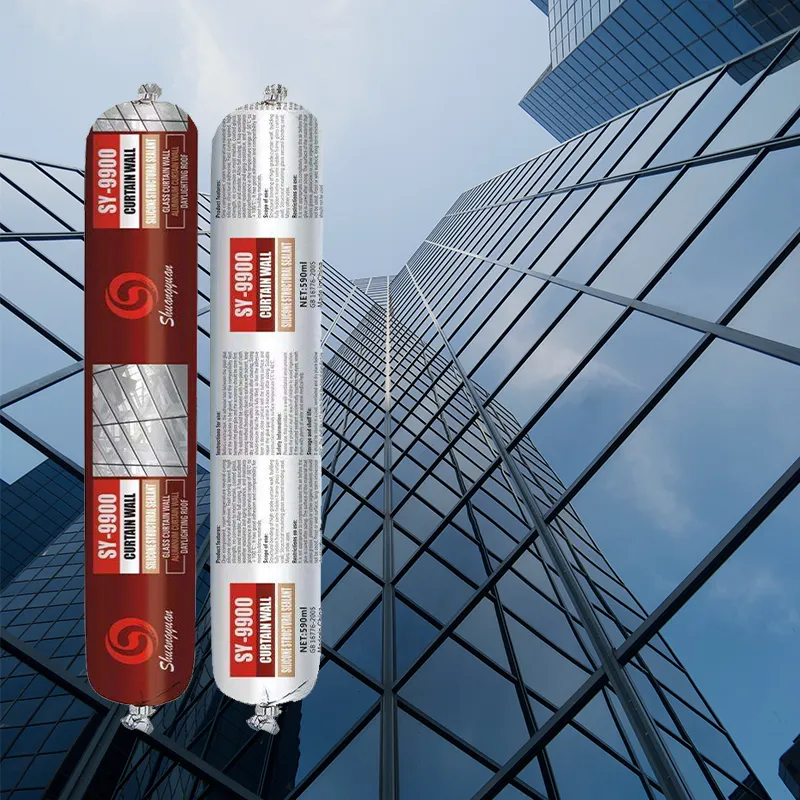
After the curtain wall project is completed, how long is the warranty period for the structural sealant typically?
Silicone sealant manufacturer note: structural sealant warranty terms are typically defined by the project contract/specs, while product warranty follows Shuangyuan’s 3-year policy and TDS (contact us...
Read More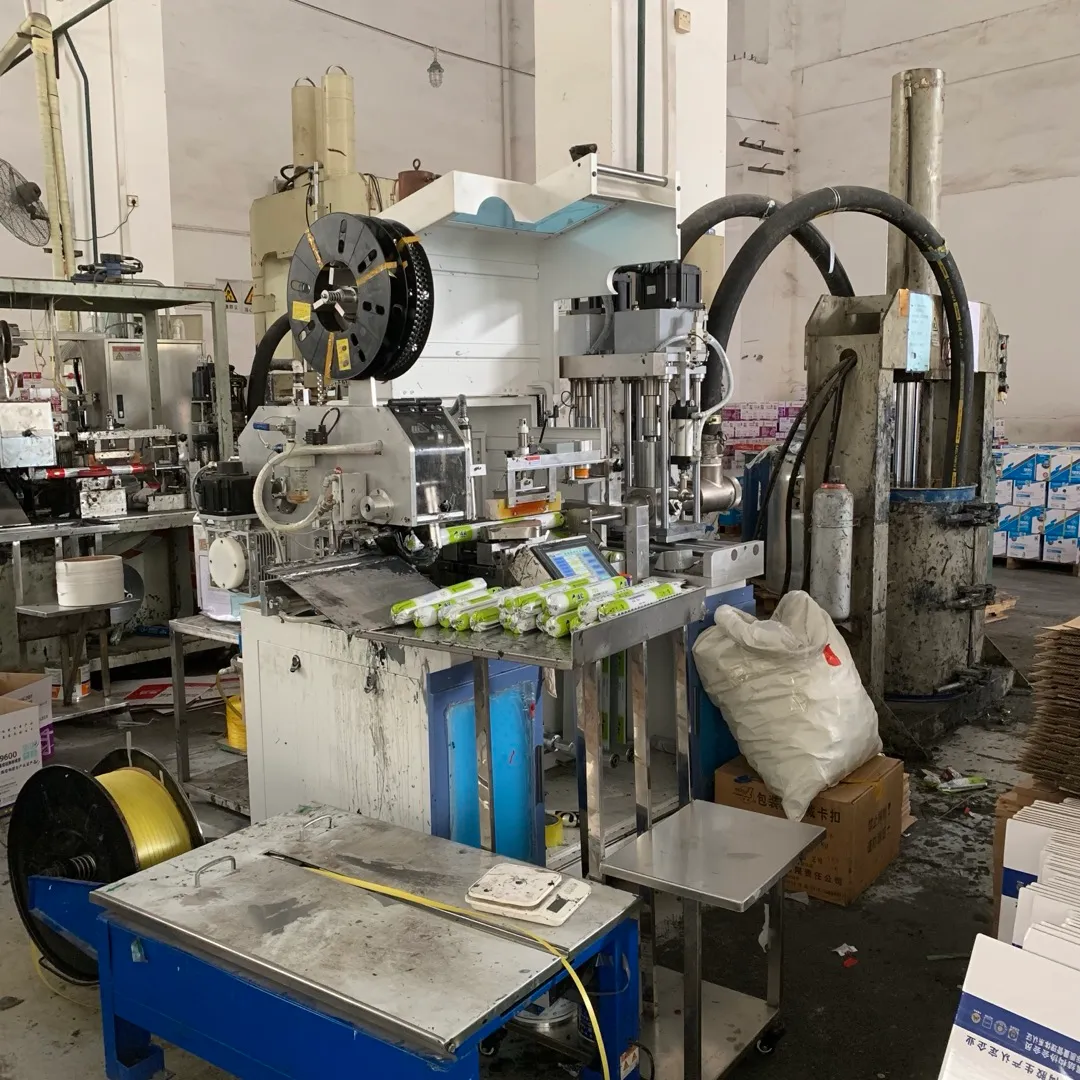
Do you know the difference between silicone structural sealant and silicone weatherproof sealant?
Silicone sealant manufacturer note: weatherproof sealant focuses on joint sealing and exposure resistance, while structural sealant is for load-bearing bonding/structural glazing—select per project sp...
Read More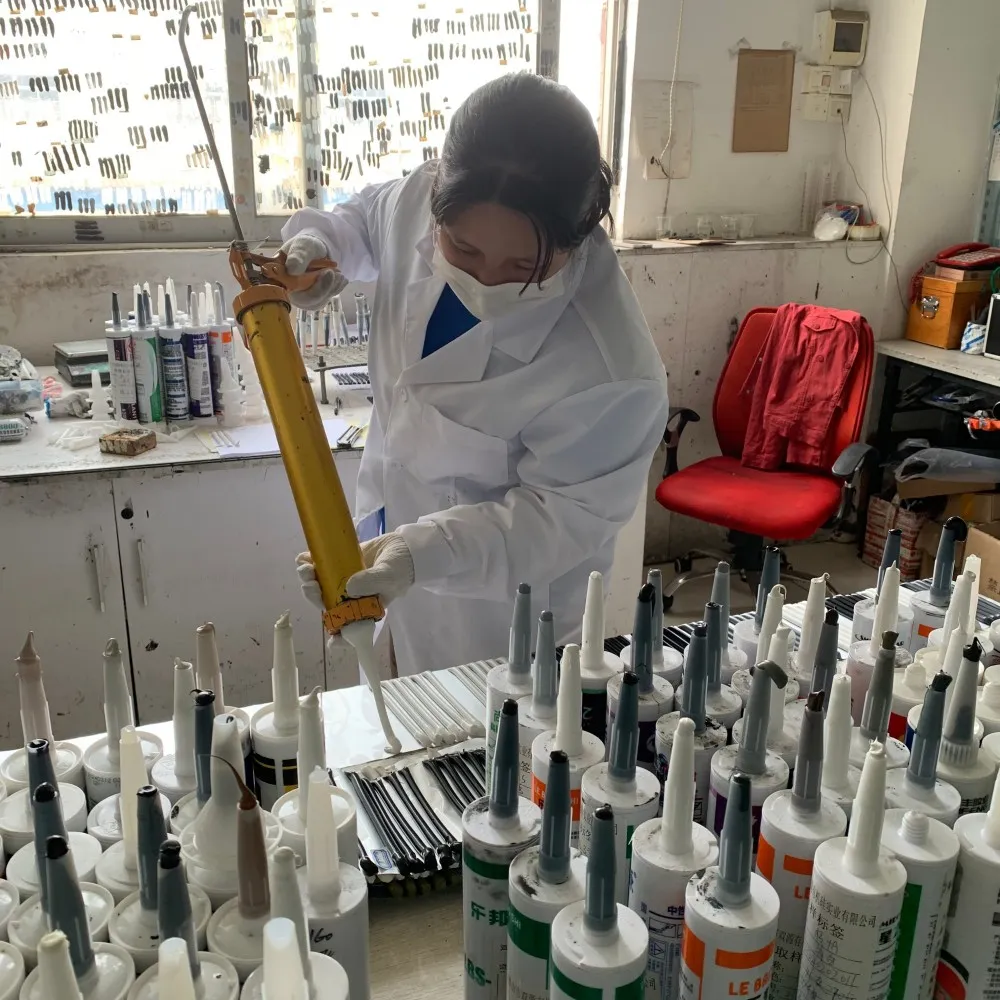
How can one determine whether the phenomenon of blistering is caused by the silicone sealant itself or by the substrate?
A simple way to distinguish bulging vs bubbling and assess whether the issue is more likely related to the sealant or the substrate, based on surface appearance and cross-section inspection....
Read More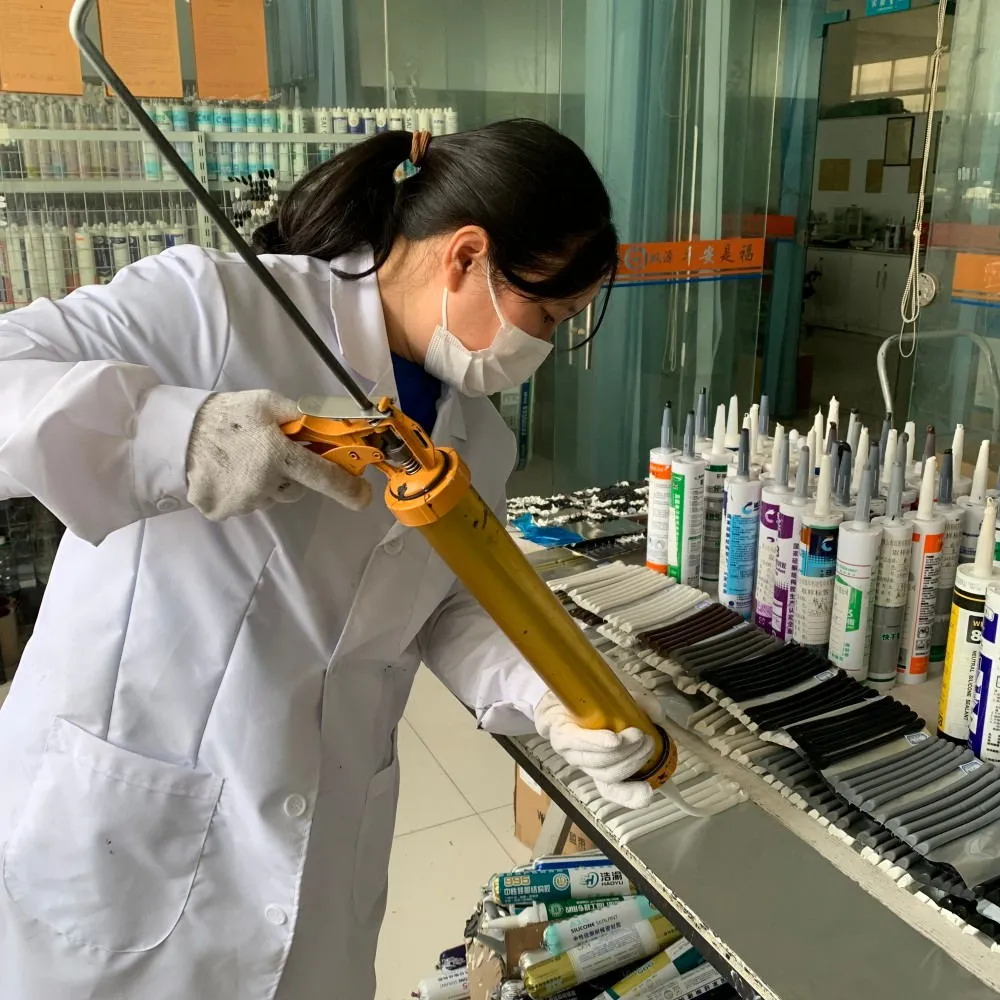
How do we choose the right silicone sealant?
Silicone sealant manufacturer tip: select the right sealant by matching the cure system and substrate compatibility, then confirm performance requirements against the product TDS (contact us for selec...
Read More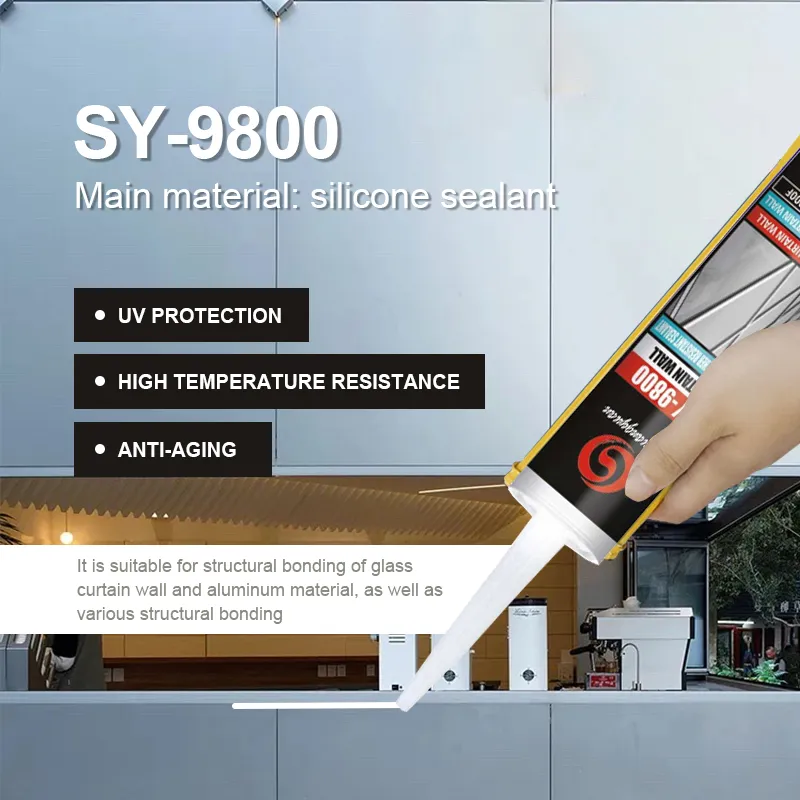
How is the weather resistance of silicone sealant? How long can it be used outdoors?
As a silicone sealant manufacturer, Shuangyuan notes that weather-resistant silicone sealant outdoor service life varies by joint design, substrate, and climate, so selection (e.g., SY-9800 where appl...
Read More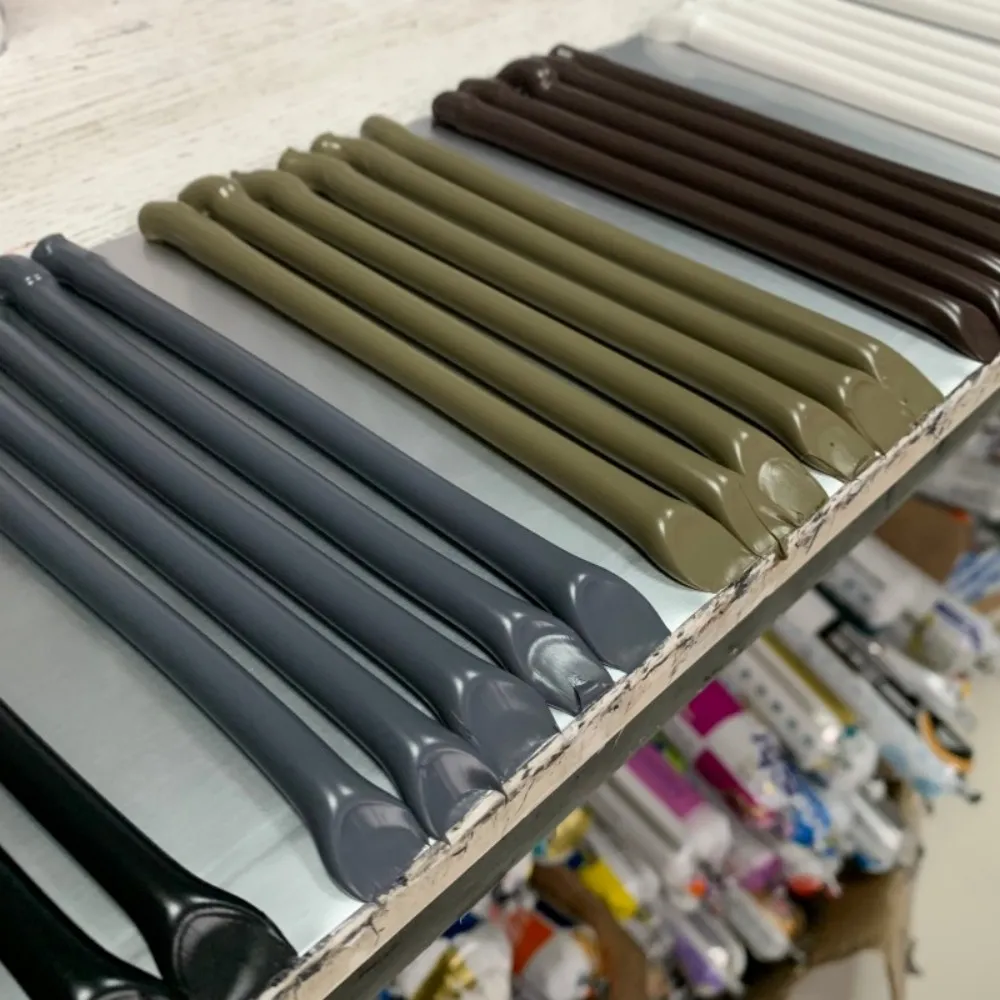
How to check the curing status and elasticity of single-component sealant?
For a simple on-site reference check, you can observe tack-free time, surface stickiness after initial cure, and basic elasticity. Results vary by product, joint thickness, temperature, and humidity, ...
Read More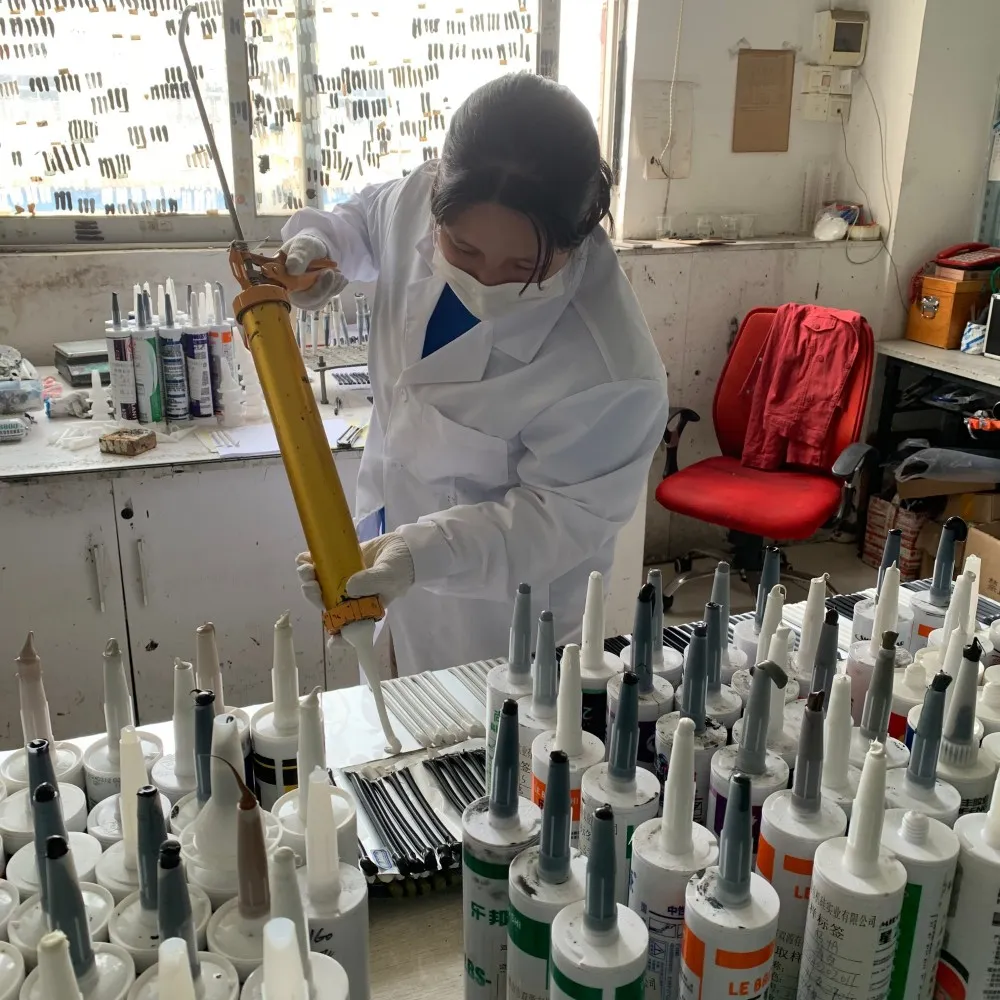
How to Prevent Curtain Wall Sealant Bulging in Winter
Silicone sealant manufacturer guidance: to reduce winter curtain wall sealant bulging risk, control curing conditions and process timing, and follow the product TDS and project requirements....
Read More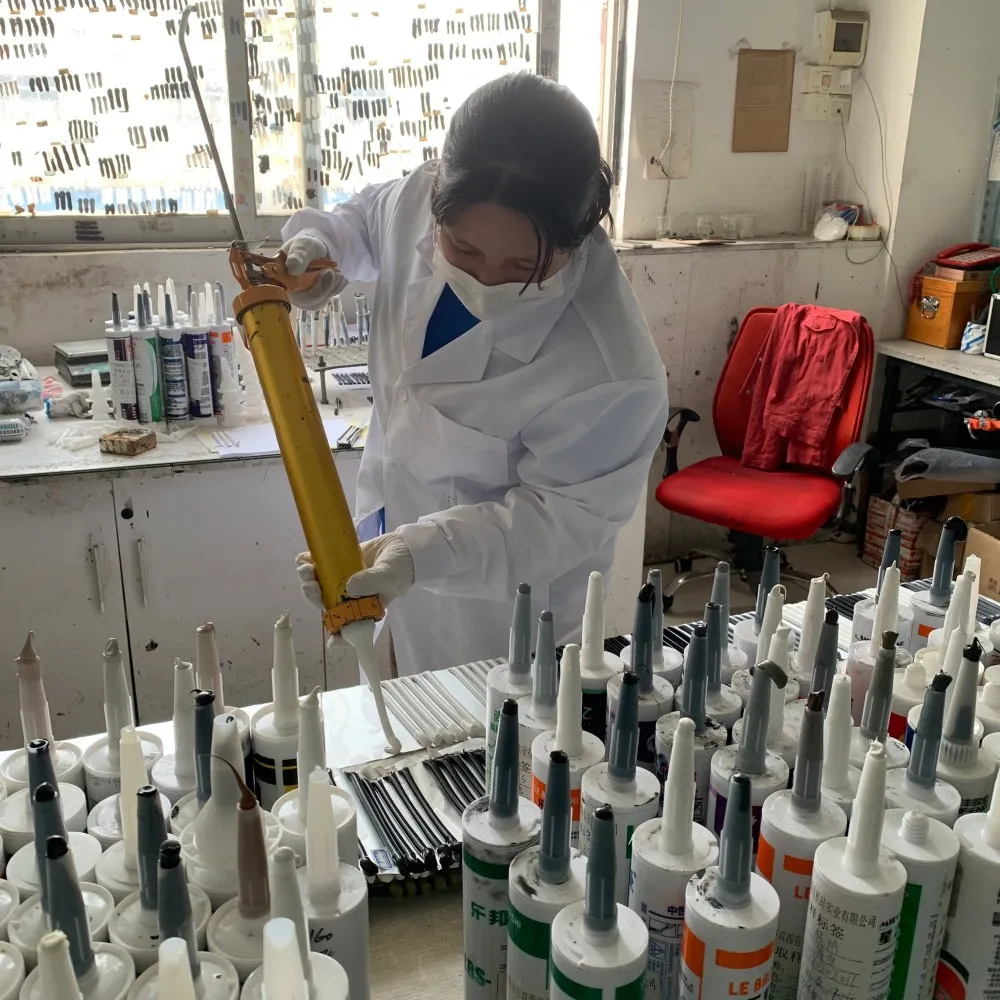
How to reduce the bulging phenomenon of sealant?
Silicone sealant manufacturer tips to reduce curtain wall sealant bulging: select a suitable curing profile, plan application timing around panel temperature differences, and apply at the joint’s narr...
Read More
Is the weather cold causing the weather-resistant adhesive to cure slowly?
Silicone sealant manufacturer note: cold and dry weather typically slows curing of single-component weather-resistant silicone sealant, so follow the product TDS and allow extra time before movement o...
Read More
Professional Silicone Sealant Manufacturer in China
Shuangyuan (established in 2012) is a China-based silicone sealant manufacturer providing OEM/ODM supply for structural and weatherproof sealants with certification support (e.g., CE/ISO/RoHS) and pro...
Read More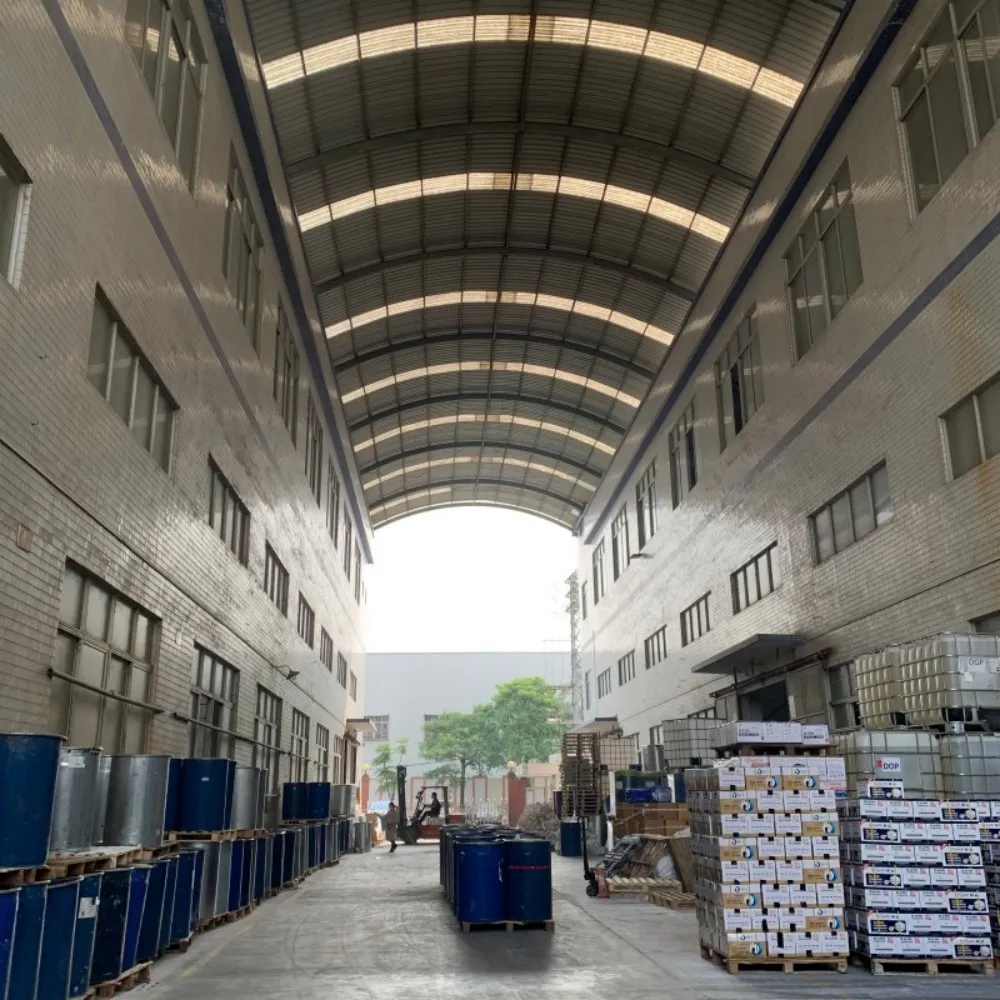
Source factory of structural adhesive
Silicone sealant manufacturer note: when sourcing structural silicone sealant from a source factory, prioritize durability and crack resistance for your conditions, and verify performance against the ...
Read More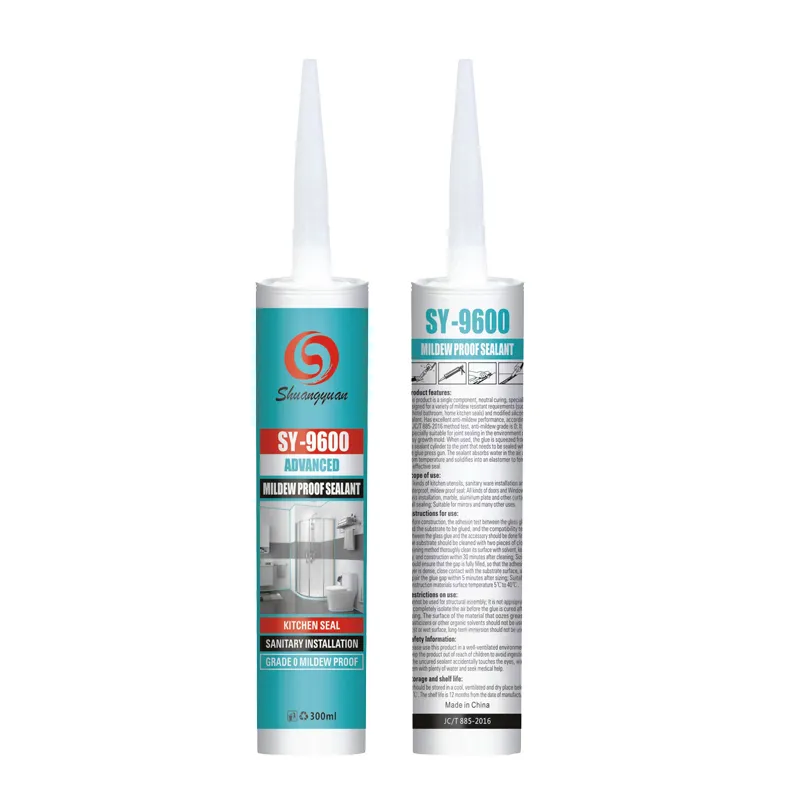
The curing time of silicone sealant
Curing time varies by sealant type, bead size, temperature, and humidity. Here are practical points to estimate skin time and full cure for silicone sealant applications....
Read More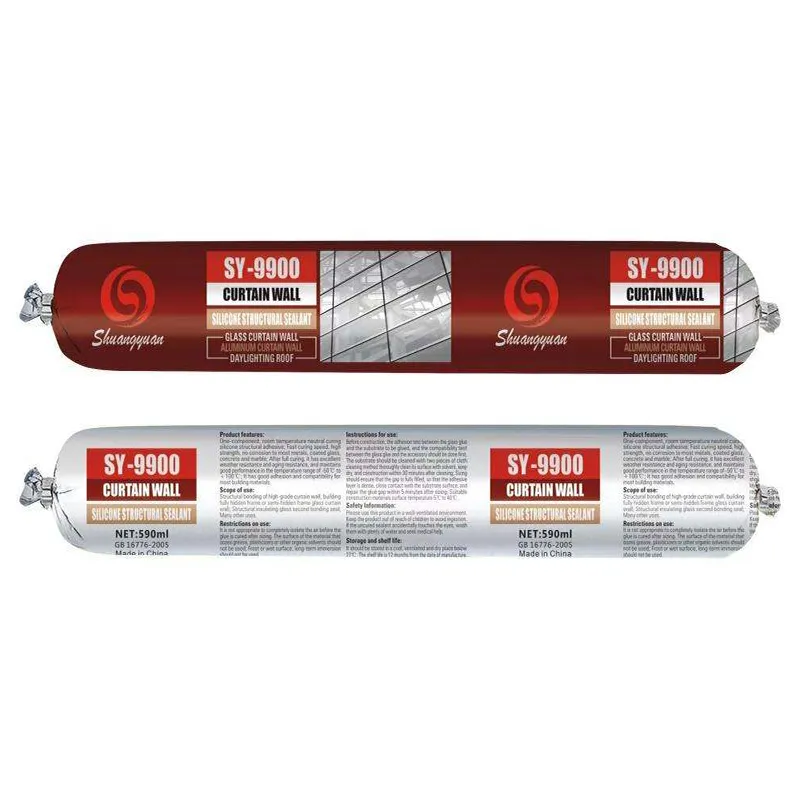
The uses of silicone sealant
Silicone sealant is used for joint sealing, waterproofing, and weatherproofing in construction. Different types are selected based on the application such as curtain walls, windows and doors, and gene...
Read More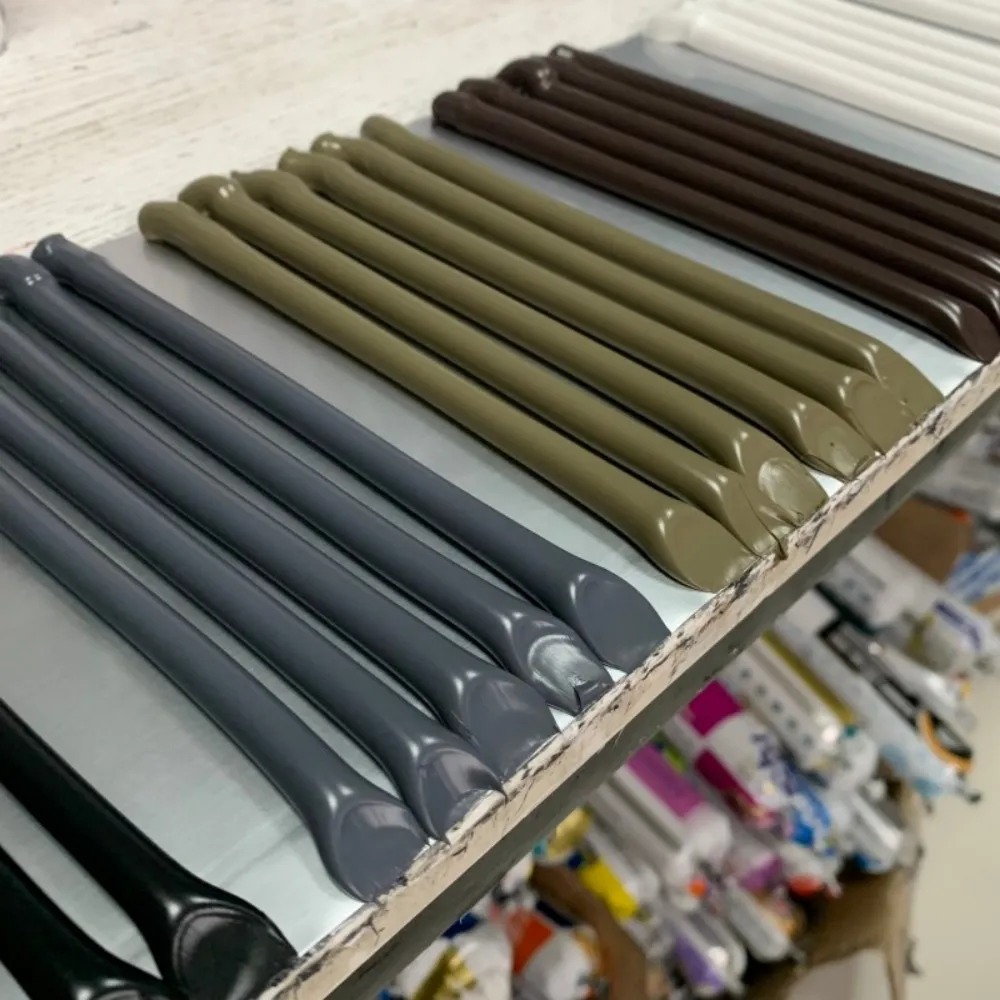
Under what circumstances does door and window sealant cure slowly?
Silicone sealant manufacturer note: slow curing of window and door sealant is often caused by low temperature/humidity, deep joints, formulation differences, or improper storage/expired product, so ch...
Read More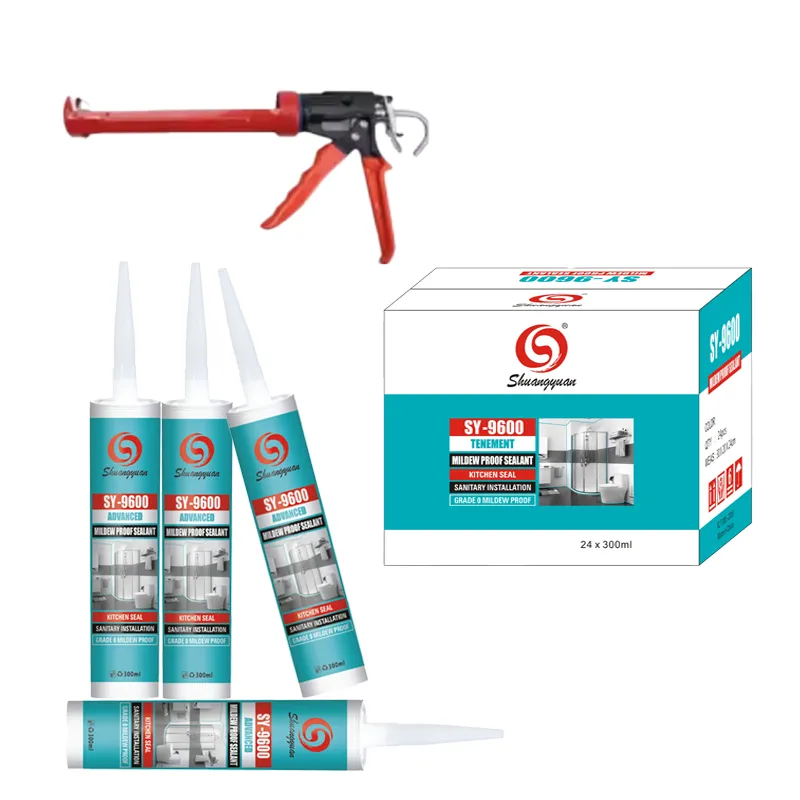
What are the key differences between mold-resistant silicone sealant and general-purpose silicone sealant?
Mold-resistant silicone sealants are designed for wet areas like bathrooms and kitchens and typically include anti-fungal additives. General-purpose silicone sealants may not provide the same level of...
Read More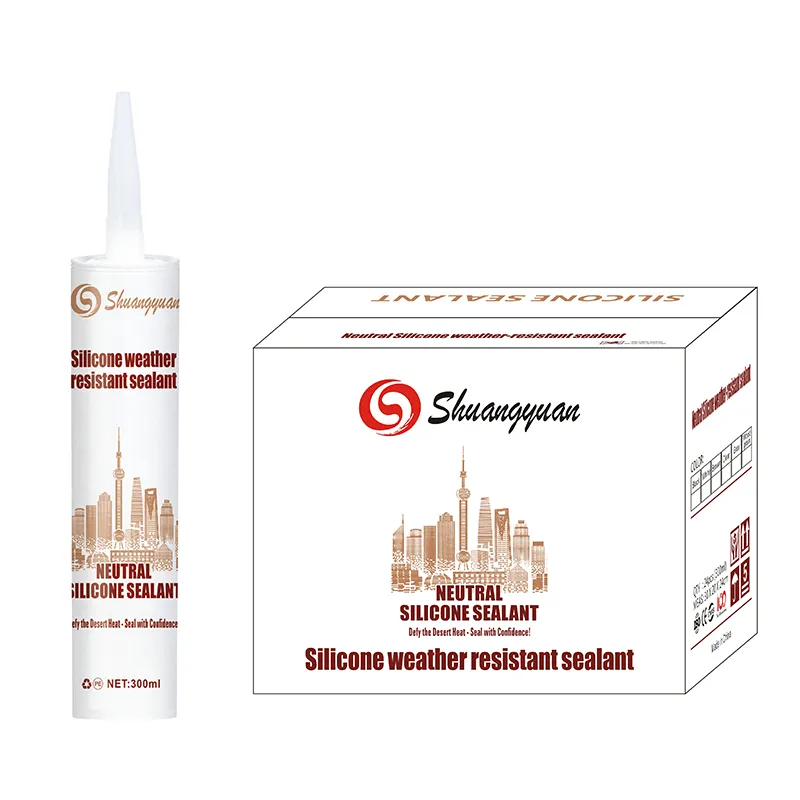
What causes the swelling of sealant?
Silicone sealant manufacturer note: sealant bulging is often linked to insufficient through-cure before joint movement—reduce risk by following the product TDS, joint design guidance, and curing condi...
Read More What is curtain wall structural sealant?
Silicone sealant manufacturer overview: curtain wall structural sealant is a high-modulus structural silicone for load-bearing bonding/structural glazing—selection and use should follow project specs,...
Read More Why do some window and door sealants crack after curing?
From a silicone sealant manufacturer perspective, sealant cracking after cure is often linked to adhesion issues, excessive early joint movement, improper joint dimensions, or unsuitable product selec...
Read More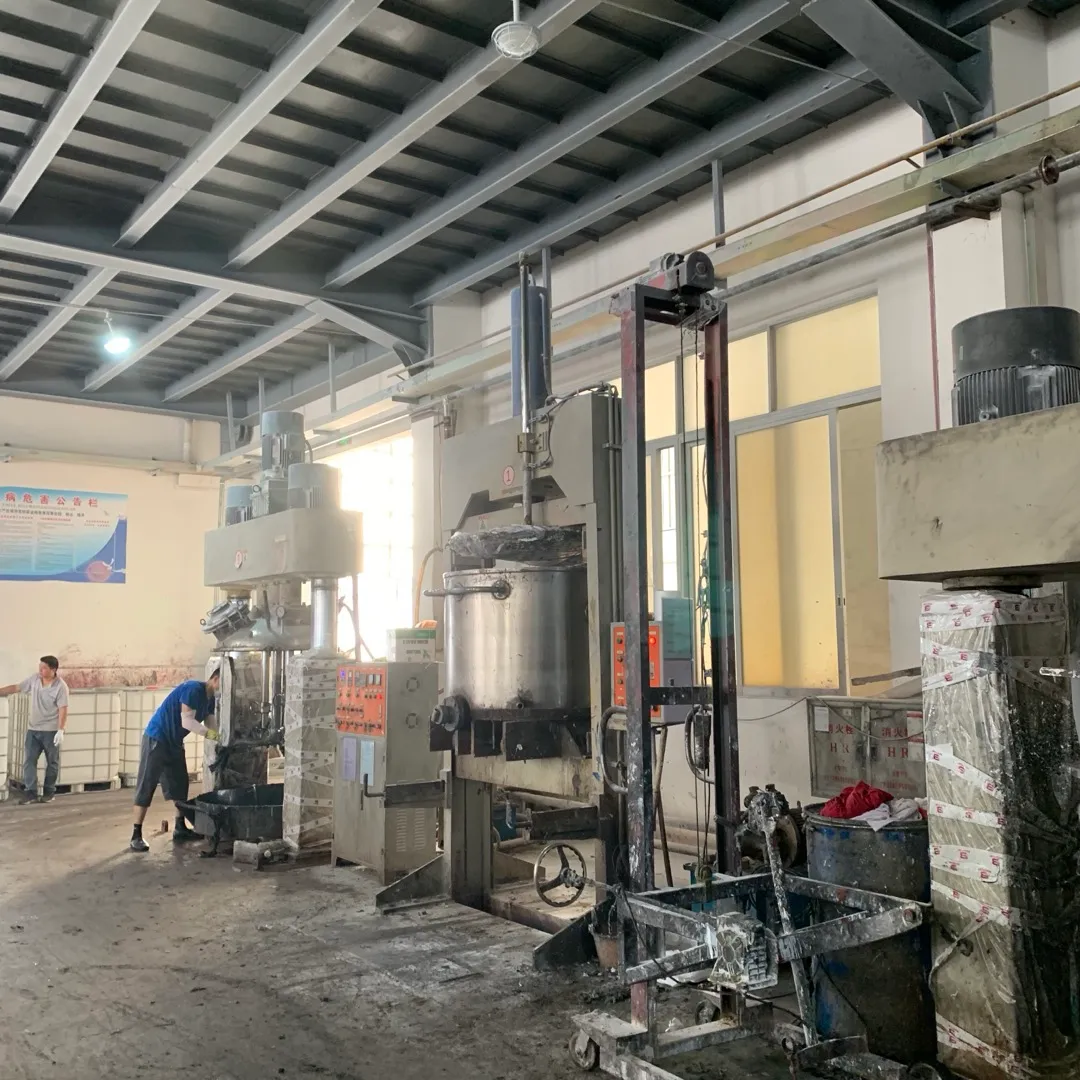
What is the optimal construction environment for installing window and door sealant?
Silicone sealant manufacturer tip: apply window and door sealant within the temperature/humidity range stated in the product TDS to support proper curing and reduce bubbling risk (contact us for selec...
Read More Why has the sealant in the kitchen and bathroom of my home turned black?
Silicone sealant manufacturer tip: blackening in kitchen and bathroom joints is often surface mold, so improve cleaning/ventilation and use a suitable mold-resistant silicone sealant....
Read More